

Common Issues That Require Professional Guitar Maintenance
- maddawgbass
- Oct 8, 2025
- 4 min read
Owning a guitar is a rewarding experience, but like any musical instrument, it requires regular care to keep it sounding and playing its best. While some maintenance tasks can be done at home, certain issues demand the expertise of a professional. Understanding these common problems can help you know when to seek expert help and ensure your guitar remains in top condition for years to come.
Signs You Need Professional Guitar Maintenance
Guitars are delicate instruments with many components that can wear out or become misaligned over time. Here are some common signs that indicate your guitar needs professional attention:
Unstable tuning: If your guitar frequently goes out of tune despite new strings and proper tuning techniques, it could be due to issues with the tuning pegs, nut, or bridge.
Buzzing or dead frets: When certain frets buzz or produce no sound, it often means the neck is warped or the frets need leveling.
Intonation problems: If your guitar sounds out of tune when playing higher up the neck, the intonation may be off and require adjustment.
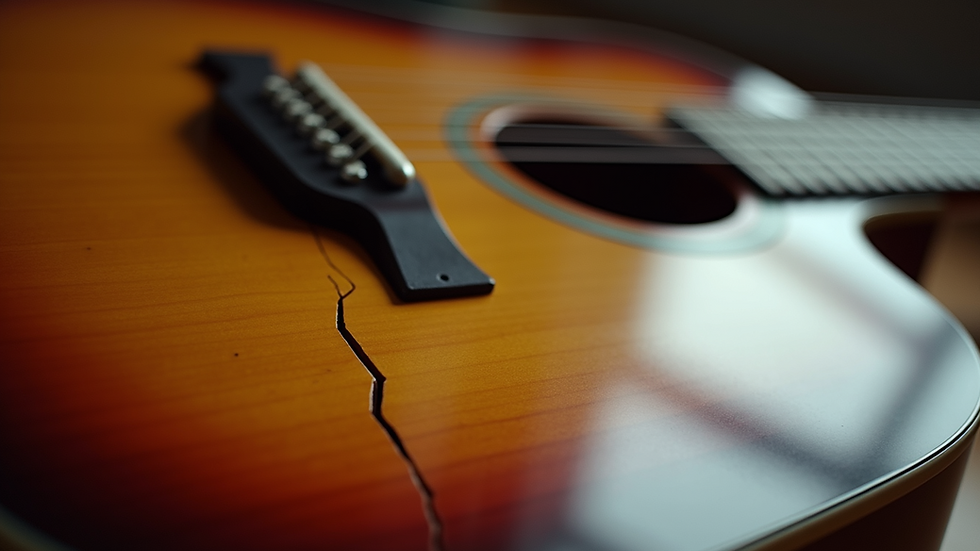
Cracks or structural damage: Visible cracks in the body or neck can affect sound quality and playability.
Sticky or stiff hardware: Tuning machines, knobs, or switches that don’t move smoothly can hinder performance.
Ignoring these problems can lead to more serious damage, so timely professional maintenance is essential.

Essential Guitar Maintenance Tasks Professionals Perform
Professional guitar maintenance covers a wide range of services that go beyond simple string changes. Here are some of the key tasks a skilled technician can perform:
Neck adjustment: Using the truss rod, a technician can correct neck bowing or warping to ensure proper string action and playability.
Fret leveling and dressing: Uneven frets cause buzzing and intonation issues. A professional will level, crown, and polish frets for smooth play.
Nut and saddle replacement or adjustment: These components affect string height and tuning stability. Proper shaping and material choice can improve tone and sustain.
Electronics repair: Faulty pickups, wiring, or switches can be diagnosed and fixed to restore sound quality.
Cleaning and conditioning: Deep cleaning the fretboard, body, and hardware, plus applying conditioners to wood parts, helps preserve the instrument.
Setup: A full setup includes adjusting string height, neck relief, intonation, and pickup height to optimize playability and tone.
Regular professional maintenance can extend your guitar’s lifespan and keep it performing at its best.

How much does it cost to get a guitar serviced?
The cost of professional guitar maintenance varies depending on the extent of the work needed and the type of guitar. Here’s a general breakdown:
Basic setup: $50 to $100
Includes string change, tuning, neck adjustment, and basic intonation.
Fretwork (leveling, crowning, polishing): $100 to $200
Price depends on the number of frets and severity of wear.
Nut or saddle replacement: $50 to $150
Material choice (bone, synthetic, etc.) affects cost.
Electronics repair or upgrade: $75 to $200+
Depends on parts and labor involved.
Structural repairs (cracks, neck resets): $200 to $500+
More complex repairs can be costly but necessary for preserving the instrument.
It’s always best to get a detailed estimate from a trusted professional before proceeding with repairs. Investing in quality maintenance can save money in the long run by preventing more serious damage.
Common Guitar Problems That Require Expert Repair
Some guitar issues are too complex or delicate to handle without professional tools and experience. Here are a few examples:
Neck resets: When the neck angle is off, a reset involves removing and repositioning the neck. This is a precise and labor-intensive job.
Cracked or split wood: Repairing cracks requires careful gluing, clamping, and sometimes reinforcement to maintain structural integrity.
Fretboard repairs: Loose or damaged fretboards need expert attention to avoid further damage.
Pickup installation or rewinding: Upgrading or fixing pickups requires knowledge of electronics and soldering skills.
Bridge replacement: A damaged or lifting bridge affects tone and playability and must be replaced or re-glued professionally.
Attempting these repairs without proper skills can worsen the problem. Always seek a qualified technician for these issues.
Tips for Maintaining Your Guitar Between Professional Visits
While professional maintenance is crucial, you can also take steps to keep your guitar in good shape at home:
Change strings regularly: Old strings lose tone and can damage frets.
Keep it clean: Wipe down the body and fretboard after playing to remove sweat and oils.
Store properly: Use a case or stand in a stable environment away from extreme temperatures and humidity.
Check tuning machines and hardware: Tighten loose screws and lubricate moving parts occasionally.
Monitor neck relief: Learn to recognize signs of neck bowing and get it adjusted promptly.
By combining regular home care with professional maintenance, your guitar will stay playable and sound great for years.
For those needing expert assistance, consider reaching out to a trusted guitar repair service. Professional technicians have the tools and experience to handle all types of maintenance and repairs, ensuring your instrument performs at its best.
Taking care of your guitar is an investment in your music and enjoyment. Knowing when to seek professional help and how to maintain your instrument between visits will keep your guitar sounding beautiful and playing smoothly for a lifetime.


Comments